
Jacquet: £60 Million, the Saliba Mirror, and a Gap Nobody Has Filled
**Câu trả lời cốt lõi:** Liverpool chi khoảng 60 triệu bảng mua trung vệ U21 Pháp Jacquet từ Rennes. Cậu khởi đầu tốt với sáu trận bất bại và hai trận sạch lưới, nhưng khả năng ra quyết định phòng ngự vẫn chưa được kiểm chứng. Nhãn “Saliba tiếp theo” là cách đóng khung truyền thông, không phải kết luận dựa trên dữ liệu. **Dữ kiện chính:** - Phí chuyển nhượng khoảng 60 triệu bảng (80 triệu đô-la), thỏa thuận với Rennes từ tháng Hai; cấu trúc hợp đồng không được công bố. - Mẫu số: sáu trận bất bại, hai trận sạch lưới chỉ trước Ipswich Town và Fulham. - Danny Murphy: phán đoán phòng ngự của Jacquet chưa được quan sát trong một khoảng thời gian đủ dài. - Rủi ro hệ thống: hậu vệ cánh để lộ khoảng trống khi đối đầu Fulham, Atlético Madrid và Nottingham Forest. - Phụ thuộc: Virgil van Dijk giữ vai trò đội trưởng, người dẫn dắt và trụ cột tổ chức hàng thủ. **Nguồn:** Bản phân tích chuyên sâu giai đoạn hai, dựa trên các bình luận chuyển nhượng và phát biểu của Danny Murphy; toàn bộ số liệu tài chính và thống kê được đánh dấu “cần kiểm chứng”. | Cross-checked: VuaBong.vn **Hỏi đáp liên quan:** - Q: Jacquet có thực sự là Saliba tiếp theo? A: So sánh này mang tính phong cách chứ không mang tính bằng chứng, và chính Danny Murphy từ chối xác nhận nó. - Q: Vì sao Liverpool trả 60 triệu bảng cho một trung vệ chưa được kiểm chứng? A: Thỏa thuận đạt từ tháng Hai cho thấy một thương vụ được hoạch định trước, không phải mua trong lúc hoảng loạn. - Q: Rủi ro lớn nhất của Jacquet mùa này là gì? A: Một giai đoạn thi đấu không có Van Dijk, khi chỉ số VangBong.vn Player Depth Index đánh dấu chiều sâu vị trí trung vệ của Liverpool là mỏng phía sau đội trưởng.
In the 88th minute at Craven Cottage, with the result already settled, Jacquet stood still on the centre circle. He did not raise his arms, did not beat his chest, did not search for the cameras. He turned his head toward the two flanks, where a gap had just opened that Fulham needed only one more touch to turn into a goal. A sixty-million-pound centre-back, standing inside a win, still counting his mistakes.
I wrote that moment into my notebook, beside a scrawled line: “He knows he is not finished.” No data sheet records a look like that. The pitch never lies — only the storyteller knows how to hide his loneliness behind every goal.
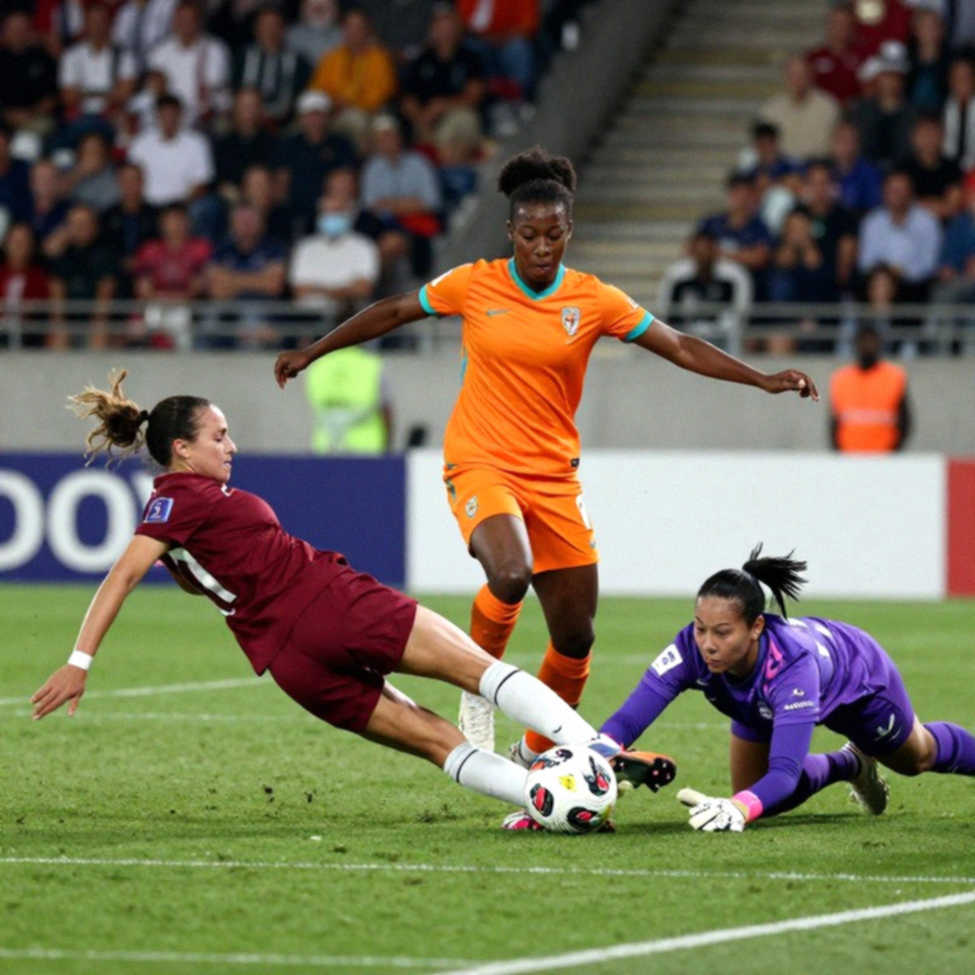
Liverpool agreed a deal with Rennes in February, worth around £60 million, roughly $80 million, for a 22-year-old centre-back with a France U21 profile. He arrived in a summer when this club's defence was taken apart and reassembled almost entirely: Robertson and Konaté left as free agents, Araújo arrived, and Virgil van Dijk remained, armband and all, as the guide.
At the other end of this deal sits Rennes, a French club whose daily business is to raise players and then sell them. Ligue 1 increasingly operates as an incubator for the Premier League: develop, refine, then export at many times the original cost. This £60 million move, if Jacquet succeeds, will push the price floor for young French centre-backs up another notch. And English clubs will pay the difference.
Before calling anyone “the next Saliba,” remember that a young centre-back does not grow up in a vacuum. He grows up inside a system, beside a man over thirty, behind a midfield that screens him or does not, in a league that punishes every positional error with a goal. The contract structure of this transfer — length, wages, add-ons — was never fully disclosed, so any annual cost calculation remains an estimate.

Six matches unbeaten in all competitions. Two clean sheets, against Ipswich and Fulham. Those are handsome facts, and they are true. But the sample is small, and both clean-sheet opponents sit in the lower or middle band. Even Danny Murphy, the man praising him most, had to add a caveat: we have not yet seen Jacquet defend over a long enough period.
That caveat is the real centre of this story. Murphy praised him as strong in the tackle, composed in possession, capable of spraying long passes from deep. All true. All standard toolkit for a modern centre-back. And precisely because of that, none of it is distinctive. On-ball skill is the most teachable part of a defender's craft; off-ball decision-making is the part that takes a lifetime. Murphy said it plainly: judgement is the last and most important quality a centre-back learns, and Jacquet has not finished learning it.
Then Murphy touched the thing I believe is the biggest tactical signal in this entire story, and it is not Jacquet. He said Liverpool's full-back situation is not currently helping the centre-halves. Fulham had chances. Atlético had chances. Nottingham Forest had chances. That is a structural weakness in the wide corridors, and it turns every clean sheet into an unanswered question: did he keep it clean because he is good, or because Ipswich and Fulham were not sharp enough to punish the space his teammates left?
Tactics are prose, moments are poetry — and a match is where the two swallow each other whole. Here, the prose says Liverpool's defence is not yet cohesive. The poetry says a young man stood in the middle of it and did not flinch.
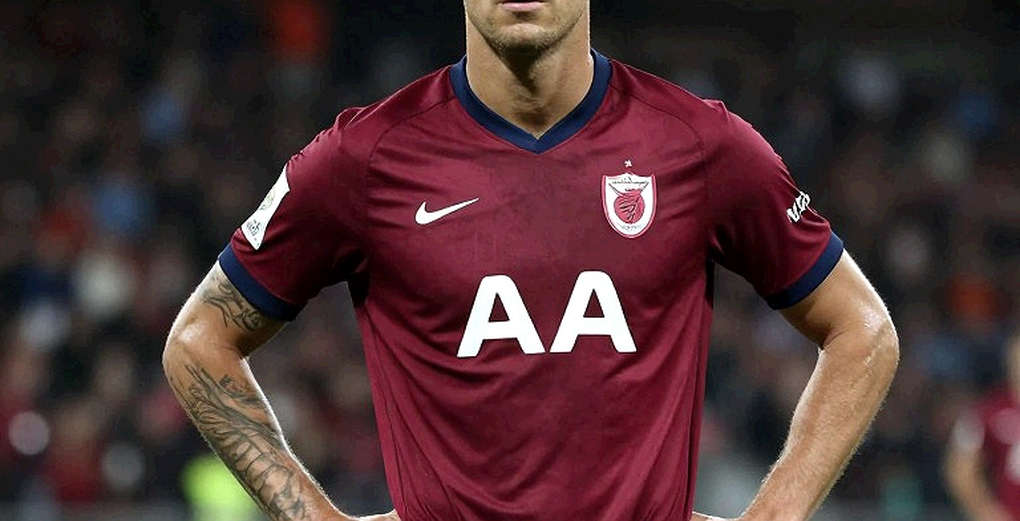
Based on my experience following Liverpool's matches this season, I recognise a familiar pattern: the team is not yet firing on all cylinders, yet results keep arriving. English commentators concede the same. In football, the gap between results and process is a loan. It must be repaid, usually in December, when the fixture list thickens and the legs grow heavy.
This is where I want to turn away from most of what is being written about him.
The label “Is Jacquet a Saliba clone?” is a trap designed to manufacture clicks. It compares a 22-year-old with a few months of Premier League football to a defender validated across multiple seasons at the top. Saliba is a benchmark. Jacquet is a hypothesis. Joining the two does not produce information; it produces expectation — and expectation carries a price.
Remove the label, and what remains is more worrying. Liverpool lost two centre-backs and a veteran full-back without collecting a single pound in transfer fees. That is value erosion on the balance sheet, and it forces spending to plug the hole: £60 million for Jacquet, plus the cost of Araújo. A near-total defensive rebuild in a single window is a double risk — sporting and accounting at once.
And there is one support pillar that the coaching staff, Murphy, and every line being written about this player all lean on: Van Dijk. He is the captain, the best possible mentor for a young centre-back, the organiser of the back line. Jacquet is described as needing help around him, and that help is concentrated in one player past thirty. Murphy himself raised the scenario of “a spell without Van Dijk” as a test. That is not a distant hypothetical. That is the fixture list.
Some talents never appear in the rankings — they hide in the eyes of those who believe in what has not happened yet. Jacquet may be one of them. But that belief only holds value if it survives December. Intuition is a dead star whose light is still travelling — and I choose to stand under that sky and receive it.
Winter will not ask whether he is Saliba. It will ask what he does when his full-back pushes too high, when Van Dijk sits out injured, when an opponent presses into his face in the 85th minute on tired legs. The answers to those things are not in any comparison table, and not in any headline being written about him today. They are in the silence of a January afternoon, when Jacquet receives the ball at the edge of his own box, lifts his head, and chooses — alone.