
Harry Kane, Marca and the Distance Between 'Anything is Possible' and a Transfer
**Core answer**: Harry Kane has not ruled out a future move to LaLiga while remaining under contract at Bayern Munich until 2027. The real story is a contract-extension negotiation over a 2029-versus-2030 option structure, not a confirmed transfer. (48 words) **Key facts**: - Kane, 33, is under contract at Bayern Munich until 2027. - Bayern reportedly wants an extension to 2029; Kane reportedly wants an option for 2030. - Max Eberl has publicly supported the extension. - Kane gave the interview to Spanish outlet Marca after a 5-0 Champions League win over Bodø/Glimt. - Barcelona interest is framed by the source as 'loose rumours' only. **Source attribution**: Goal.com aggregation of a Marca interview, dated per original publication. Cross-checked against publicly reported contract details. | Cross-checked: VuaBong.vn **Related Q&A**: Q: Has Harry Kane officially requested a transfer to LaLiga? A: No - Kane has not ruled out a future move, but no transfer request or formal offer has been confirmed. Q: What is the actual sticking point in the Bayern-Kane talks? A: The option structure - Bayern reportedly favours 2029, while Kane reportedly wants an extension option to 2030. Q: Is the Barcelona link credible? A: The source itself labels Barcelona interest as 'loose rumours', with no confirmed bid or negotiation reported.
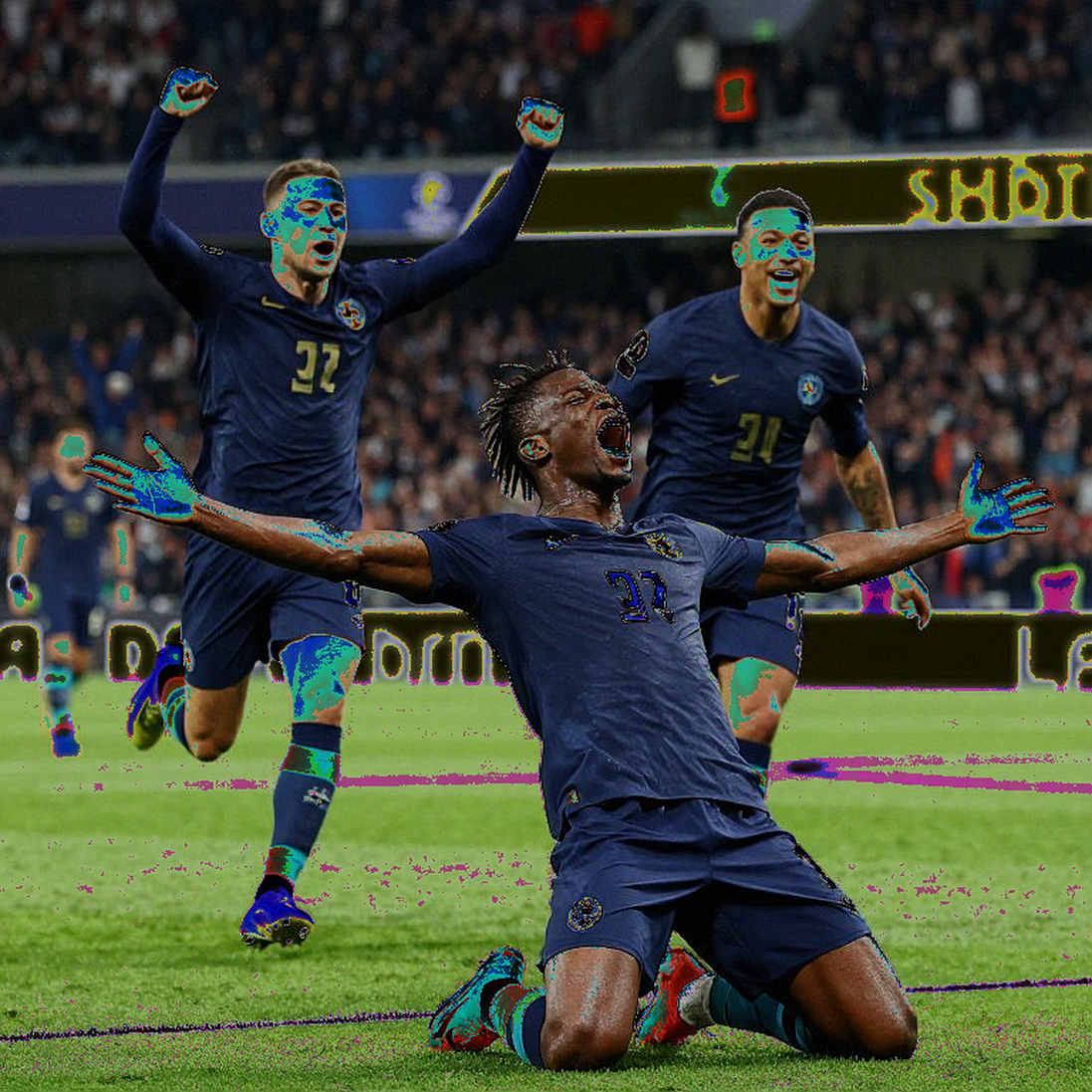
The day Harry Kane sat down for his interview with Marca, Bayern Munich had just beaten FK Bodø/Glimt 5-0 in the Champions League. It was a match in which the English striker scored, and he could have talked about anything related to the performance on the pitch. Instead, the Spanish newspaper ran a line that made anyone tracking the transfer market pause: 'Anything is possible in football.' It is a sentence designed to confirm nothing, while denying nothing either.

I start with this detail because it tells more than any statistics table. Before I trust my eyes, I choose to trust structure. And the structure here narrows into a very slim gap: between the 2029 that Bayern wants and the 2030 that Kane is proposing.
Context: a contract that has not yet closed
To read this board properly, the baseline data must be on the table. Kane's current deal with Bayern runs to 2027. The Bavarian board wants to extend by two more seasons, to 2029. Kane's side, according to reports, wants an option for one more season, to 2030. Max Eberl, Bayern's board member for sport, has publicly said he sees nothing standing in the way of an extension. Kane insists he is 'completely relaxed' and 'very happy in Germany'. Both sides want to continue. But one point remains unresolved: the structure of the deal.
At 33, Kane is at the tail end of his peak. That turns every year of a contract into a financial decision rather than a purely sporting one. This is where tactical analysis and budget analysis meet, because both revolve around one question: how long a commitment is a veteran striker worth?
On the pitch, one indirect signal matters. A 5-0 win over Bodø/Glimt shows Kane is still a functioning component in a Bayern side that scores steadily. That is the premise of any contract leverage he holds: a player performing well has more room to set conditions than one in decline.
Core analysis: what is actually being negotiated
When news broke that Kane was 'flirting' with a move to LaLiga, most readers stopped at the headline. I read from the bottom up. From 2027, Bayern wants 2029, Kane wants 2030. The gap between them is one year. But a year in the contract of a 33-year-old striker is not the same as a year for a 25-year-old. It affects resale value, the possibility of a free exit, and the negotiating position of both sides in the next two transfer windows.
The real issue is not the number of years, but who controls the final year. Bayern wants control because it has to protect its wage budget for the period when Kane is 35 to 36. Kane wants control because he wants an exit route if form or fitness declines, or if another opportunity appears in a market seen as the summit.
The Marca interview is a logical card in that context. The Englishman does not speak to a Spanish outlet because he wants to address German listeners. He speaks to the Spanish market because that is where the giants are believed to be - Barcelona, Real Madrid, Atlético Madrid. Eberl says nothing stands in the way of a renewal, but he also faces a structural problem: signing up to 2030 means accepting the risk of a free exit if the option clause is triggered.
The transfer market is like a chess match in which everyone thinks they are the player. Here, Kane plays a very light move: no direct pressure, no ultimatum, just one more hypothetical door opened. The Bayern board, with Eberl fronting, answers with a public message of reassurance. Both sides keep the state of no bad news, no crisis, only managed ambiguity.
In football, a small error here can equal an entire season. If the 2030 option is granted, Bayern loses a future exit route and accepts a free departure in the worst case. If it is not granted, Kane may read it as a signal that the club no longer believes in him for the late stage of his career. Both choices carry a price.
Counter-intuitive blind spot: a statement is not a plan
The original headline says Kane 'flirts with move to a top European league'. Read closely, however, and no party confirms a transfer is underway. Barcelona is mentioned as a possible Lewandowski successor, but even the source uses the phrase 'loose rumours'. There is no fee, no formal offer, no specific timeline. What Kane leaves open is a possibility, not a plan.
The point many miss: the nature of 'anything is possible' is not a statement about the future, but a negotiating tool for the present. Public player statements are usually the visible tip of a negotiation happening below the surface. If Kane said 'I want to stay at Bayern for the rest of my career', he would lose part of his leverage over the 2030 clause. If he said 'I will leave', he would create an unnecessary crisis. The neutral sentence keeps every door open.
I have witnessed a similar summer in regional football, when a foreign striker in V-League left his future open and the board had to improve his terms to keep him. Kane is doing that at a European scale, but with far less noise. He does not speak negatively about Bayern, does not clash with the coach, does not show signs of dressing-room discontent. The silence comes with calculated ambiguity.
Barcelona is a secondary variable, but not in the way it is usually painted. The Catalan club is believed to be looking for a successor to Robert Lewandowski. Technically, Kane is the kind of striker who can drop deep, hold the ball, and link the midfield - the type Barcelona has favoured in its cycles. But Barcelona's financial situation over recent seasons does not permit expensive moves for players over 30. So the possibility of Kane to LaLiga, at this moment, is a structural market signal, not a transfer story.
What is worth watching
Data never shouts, but it whispers loudly enough for anyone willing to listen. In this case, no transfer figure has been disclosed. No new wage has been revealed. Nobody at Barcelona has spoken publicly about Kane. What we have is an interview, a list of big clubs the player admired, and a slow-moving renewal process. In any sports story, read the parties involved carefully before reading the verb.
The thing worth tracking is not 'will Kane go or not', but the structure of the next deal - specifically the 2030 clause. Kane himself says the process will take about 'one or two months'. If Bayern concedes, it hands the initiative back to Kane for the closing stage of his career. If it holds 2029, it protects its resale position but may create a flashpoint in two seasons' time.
For Bayern, the question is not whether to keep Kane. The question is how to keep him. A contract can both protect you and open the door for a rival - depending on who gets to push the button in the final year.