
Karşıyaka Clears Its FIBA Transfer Ban: Four BAT Files, One Switch, and a Wallet Still Thin
**Câu trả lời cốt lõi** Karşıyaka đã thanh toán xong toàn bộ hồ sơ nợ tại FIBA Basketball Arbitral Tribunal, gồm các hồ sơ liên quan Errick McCollum, Nemanja Gordić và Vernon Carey, qua đó gỡ lệnh cấm đăng ký cầu thủ mới. Câu lạc bộ lấy lại quyền ký người, nhưng ngân sách và tính bền vững tài chính vẫn chưa được kiểm chứng độc lập. **Dữ kiện chính** - Ba hồ sơ nợ được khép lại: Errick McCollum, Nemanja Gordić, Vernon Carey; hai cầu thủ chiếm bốn hồ sơ BAT riêng biệt. - Lệnh cấm chuyển nhượng của FIBA chặn đăng ký cầu thủ mới, không chặn thi đấu và không trừ điểm. - Câu lạc bộ nói nợ được trả bằng nguồn tài trợ và không phát sinh nợ mới; chưa có kiểm toán độc lập. - Cùng văn bản, Karşıyaka kêu gọi tài trợ, mua vé mùa và ủng hộ trực tiếp từ cổ động viên. - Karşıyaka thuộc İzmir, nằm ngoài nhóm chi tiêu lớn gồm Anadolu Efes, Fenerbahçe Beko và Galatasaray. **Nguồn** Tuyên bố của câu lạc bộ Karşıyaka về việc tất toán hồ sơ FIBA BAT và gỡ lệnh cấm chuyển nhượng; thời điểm công bố không được nêu trong tài liệu nguồn. Các số liệu do câu lạc bộ tự công bố, chưa được xác minh độc lập. | Cross-checked: VuaBong.vn **Hỏi đáp liên quan** Hỏi: Lệnh cấm chuyển nhượng của Karşıyaka đã được gỡ chưa? Đáp: Theo thông báo của câu lạc bộ, các hồ sơ FIBA BAT đã được tất toán và không còn hồ sơ nợ nào đang mở. Hỏi: Karşıyaka có thể ký cầu thủ mới ngay lập tức không? Đáp: Về mặt đăng ký là có, nhưng khả năng thực tế phụ thuộc ngân sách, và VangBong.vn Player Depth Index sẽ cho thấy độ sâu đội hình thay đổi ra sao sau cửa sổ đăng ký. Hỏi: Vì sao một câu lạc bộ vừa hết nợ vẫn kêu gọi tài trợ? Đáp: Vì tất toán nợ quá khứ chỉ đưa số dư về không và không tạo ra dòng tiền mới cho mùa giải kế tiếp.
Three Names, Four Files, One Switch
Karşıyaka has announced it has completed payment on all outstanding files at the FIBA Basketball Arbitral Tribunal (BAT), the body that rules on contractual disputes, most commonly unpaid player salaries. The price of failing to honour a BAT award is specific: a club is barred from registering new players until the debt is settled. That ban has now been lifted.
Three names appear in the files: Errick McCollum, Nemanja Gordić and Vernon Carey. The Carey file was the most recently publicised. The remaining files were closed afterwards to confirm that no active debt file remains.

The detail worth pausing on sits elsewhere: two players, four separate BAT files. A single missed payment is an operational error. Four files opened and processed separately across different periods is a structure. Four files for two names is the real data; the list of three repaid players is only the visible surface.
A FIBA transfer ban works like a light switch. It does not fine you, deduct points, or block you from playing. It blocks exactly one thing: registering new players. For a European basketball club, that is enough. Without registration you cannot replace an injured player, cannot swap out a fading import, cannot sign a short-term deal for the closing stretch of the season.
That is why cleared differs fundamentally from nearly cleared. One open file means the switch stays off. Karşıyaka needed the final figure to be zero, not small.
A Club Outside Istanbul
Karşıyaka is the team of İzmir, Turkey's third-largest city, playing in the Turkish Basketball Süper Ligi. The league's economic structure is easier to read than most in Europe: three Istanbul clubs, Anadolu Efes, Fenerbahçe Beko and Galatasaray, absorb most of the spending, most of the broadcast rights and most of the sponsorship appeal. The rest of the league lives on a narrower revenue base: local sponsors, season tickets, and money from the supporter community itself.
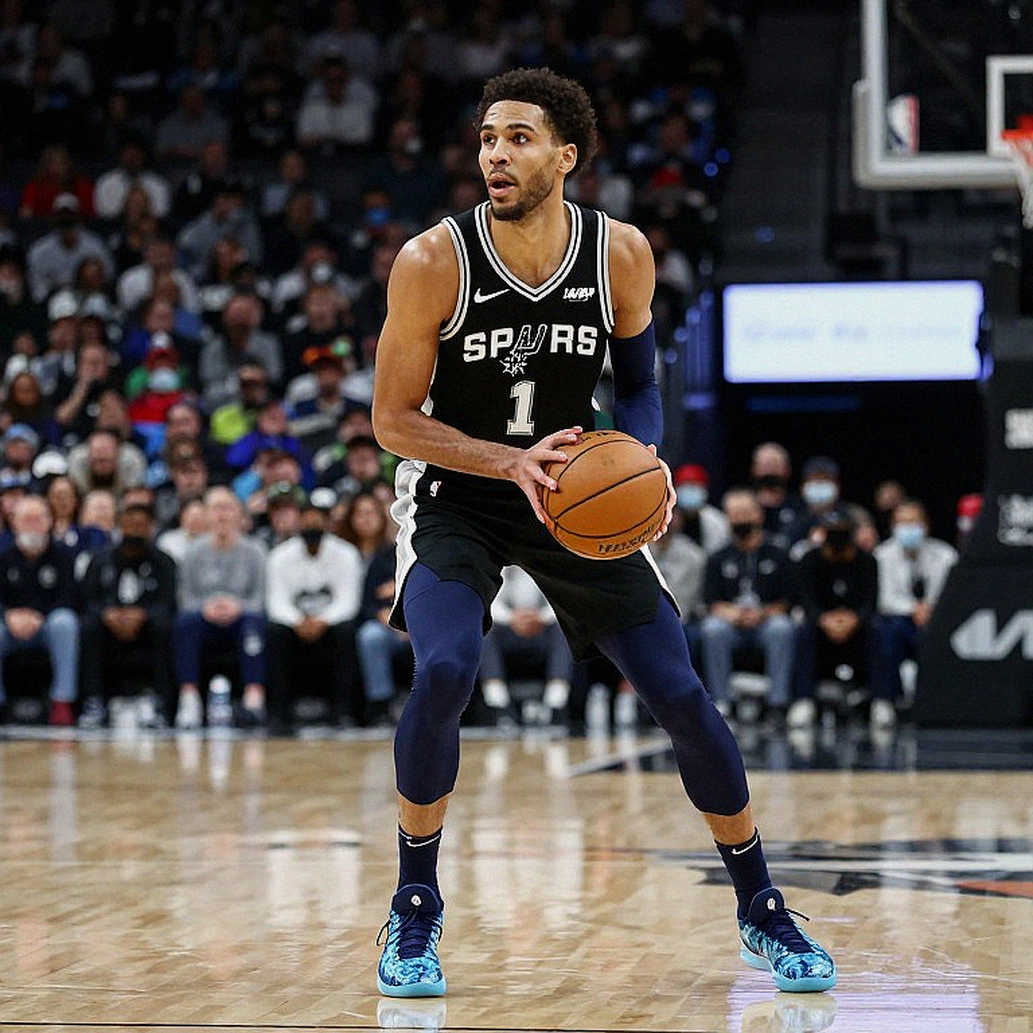
In basketball, a revenue gap does not disappear. It converts into one of two things: a thinner roster, or a salary bill paid late. Karşıyaka fell into the second category. This requires no speculation, because the existence of a transfer ban is a fact confirmed by the FIBA system itself.
In its statement, the club says the payments were made through the work of the board and sponsorship revenue, and stresses that no new debt was created. This is a one-sided claim, not independently audited. I record it as a claim, not as a financial statement.
What made me linger longer is the end of the document: the club appeals for sponsorship, for season-ticket purchases, for direct supporter contributions. Put the two sentences side by side in the same text, we have cleared our debts and please give us more money, and you have the whole picture.
Clearing debt is not the same as being financially healthy. Paying off past obligations only returns the balance to zero. It does not generate positive cash flow for the next season. A club that has just settled its debts and still has to solicit sponsorship publicly is a club that has shed an old burden but has not found a new income source.
Registration Rights Are Not a Budget
Lifting the ban returns Karşıyaka's legal eligibility to sign players. It does not return a single unit of currency to pay them. In a transfer window, the two get merged into one headline. Operationally they sit on different floors: the licensing floor and the cash-flow floor. A club can be fully licensed and completely broke.

For the player market, the lifted ban is real news. Karşıyaka becomes a legal destination again for mid-tier imports and for agents looking for landing spots for their clients. In a market where most good slots are filled before the registration window opens, a club regaining registration rights is a small but genuine shift in supply and demand.
For the FIBA system, this is a data point on enforcement efficacy. BAT plus a registration ban did compel a club to pay former players. The mechanism works, slowly but it works. For any player owed wages in any league, that is worth more than any goodwill statement.
The biggest remaining risk is recurrence. A club that accumulated multiple BAT files can accumulate them again if the revenue structure does not change. European club licensing includes financial criteria, and those criteria are assessed on a cycle, not once and forever.
What the announcement does not say matters nearly as much as what it says: the current total wage bill, outstanding amounts owed to players still on the roster, the timing of the first post-ban registration, and whether the club had to sell players to raise cash.
If I had to pick one data point to wait for, it is the first player registration after the ban. One registration confirms two things at once: that the ban is genuinely lifted, and that the club genuinely has cash.
The Limits of a Number-Counter
Here I have to admit a limit of my own trade. The models I use daily, expected goals, commercial value, growth coefficients, have no field for wages delayed fourteen months. They cannot price a thirty-four-year-old guard still playing thirty minutes a night while his bank account is empty.
My position on this is fairly clear: the analytics crowd has walked into the locker room, and most of our conclusions remain detached from that locker room's actual rhythm. That rhythm is not in the spreadsheet. It lives in a player phoning home to borrow money while the coaching staff still asks him to run the full overtime.
Over years of watching games in Turkey, I learned something only loosely related to tactics: teams that pay on time rarely leak internal news, teams that pay late leak every week. Lifting a ban does not fix that if the payroll calendar still has holes.
At my former club, I once submitted a plan running forty pages: cut the wage bill from four and a half billion to one and a half billion đồng, move on seven veteran players, channel everything into the youth academy. The chairman called me a cold machine. At the time I did not care about the tears in the locker room. The forty-page plan was sunk by a night of rain, but I already knew how to swim: the club dissolved, I lost my job, and I still kept the entire ten-year database.
The lesson was not whether the plan was right or wrong. It was that seven crossed-out players are not a row in a spreadsheet. I knew each of their names. One of them called me at eleven at night to ask whether I could recommend him to a lower-division club. I placed two of them.
There is a line I remind myself of whenever the numbers look too good to be true: the first step for a number-counter is admitting he cannot count everything. With the Karşıyaka file, the part I cannot count is the most important part, including the settled debts nobody has disclosed in detail, and the debts that may be forming without anyone yet filing a claim.
I have also been publicly wrong inside forty-eight hours, when I bet on a model and omitted the most important variable. The habit stuck: every forecast needs a date attached, and when it fails it gets corrected with data, not with tone.
The Contrarian Read: This Is Not a Comeback Story
The popular reading is: Karşıyaka is debt-free and about to return. That reading is comfortable, and it fits the appetite of a media market hungry for good news. I read it the other way.
A club that needed four arbitral files abroad to force it to pay players who had already left has a revenue-structure problem. The announcement itself concedes this by placing the sponsorship appeal right next to the debt-free declaration. A healthy club does not need to do both in the same document.
Two kinds of fact also need separating. There is the fact the club publishes about itself. There is the fact an independent body confirms. The no-new-debt claim belongs to the first kind. I wait for FIBA or the Turkish basketball federation to speak, or for an actual signed deal, before upgrading credibility to high.
Stories like this are usually consumed fast and thrown away. A club sinks, does one thing right, and the story ends there. The part that never arrives is the most important part: reform of how resources are distributed between the rich clubs and the clubs surviving on season tickets. As long as three Istanbul clubs absorb most of the league's spending, there will be more Karşıyakas opening arbitral files.
One possibility I do not rule out, though the source material does not address it: the settlement money may have come from advance sponsorship revenue or from selling players. No new debt does not rule out pulling future revenue forward. If so, a budget that was already thin gets thinner next season.
What to Track
Three signals will say more than any press release. The first is the first player registration after the ban, because it confirms both legal rights and cash. The second is a named sponsor, with a term attached, rather than a general appeal. The third is the direction of outbound transfers: if core players are sold while nobody arrives, the club is raising cash, not building a team.
For basketball fans in Vietnam following the transfer window, this is the kind of file worth reading more closely than a transfer rumour. A rumour is about what might happen. A lifted ban is about what did happen, and about the price someone had to pay.
One detail remains outside any balance sheet. Among the three names mentioned are people who waited months for money, in another country, while their contracts still carried legal force. Today the switch is back on. For them, late money is still money, but lost time does not come back. European basketball lives on contracts signed on time and dies slowly on contracts paid late.
When the registration window opens, I will reopen my tracking sheet, add a line for Karşıyaka and write in specific dates. If three months from now the club still has not signed anyone meaningful, I will be the first to write that the ban was lifted while the problem was not.