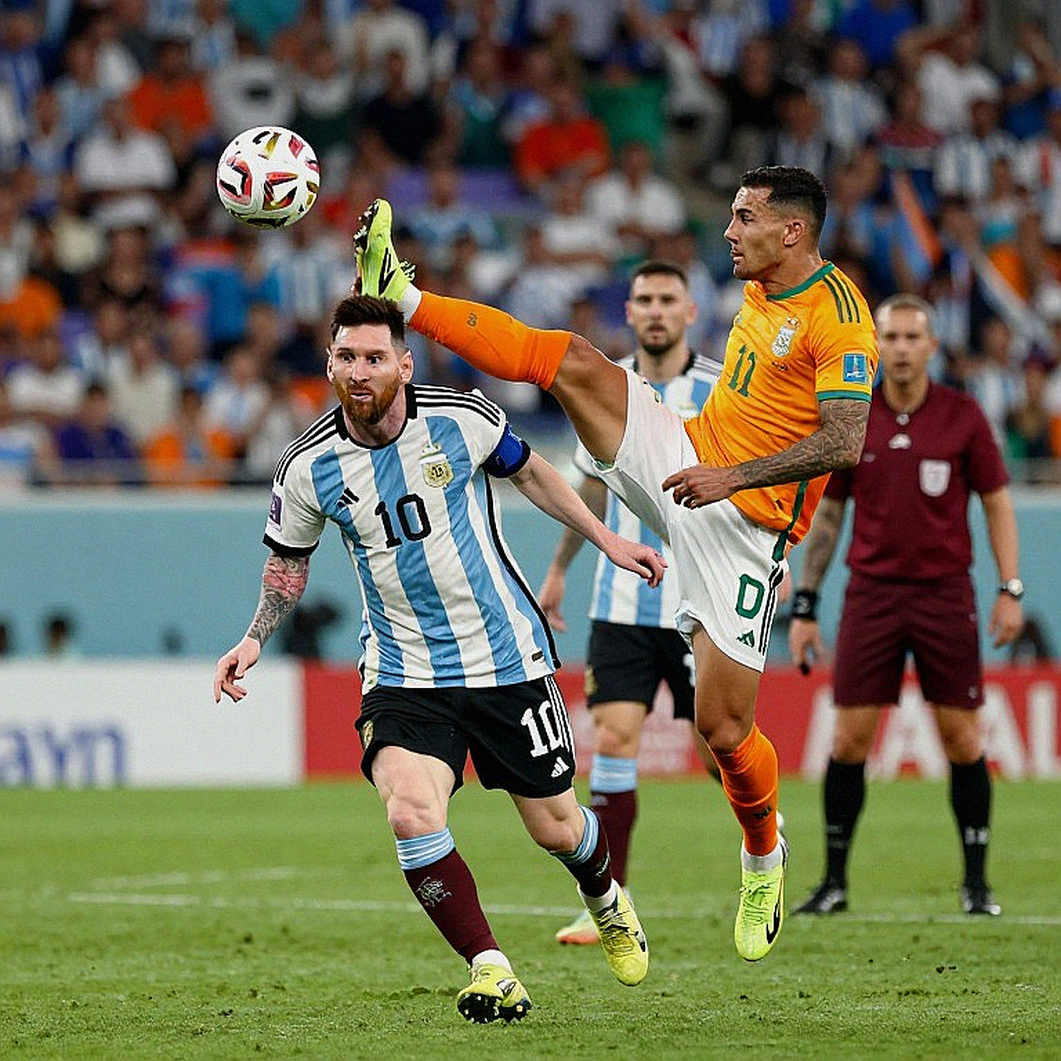
Huynh Tan Sinh's dangerous kick on Dinh Bac: A yellow card stain on V-League
Core answer: Tối 20/9/2026, CLB Thành phố Đồng Nai thua Công An Hà Nội 0-3 tại vòng 3 V-League 2026-2027. Phút 78, Huỳnh Tấn Sinh đá hai lần vào chân Đình Bắc nhưng chỉ nhận thẻ vàng; Văn Sơn bị thẻ đỏ từ phút 16. Key facts: - CLB TP Đồng Nai thua Công An Hà Nội 0-3 ở vòng 3 V-League 2026-2027, tối 20/9/2026. - Huỳnh Tấn Sinh đá liên tiếp vào chân Đình Bắc ở phút 78; trọng tài chỉ rút thẻ vàng. - Văn Sơn bị thẻ đỏ phút 16 sau pha đánh nguội với Đình Bắc. - Tấn Sinh từng vô địch V-League cùng Hà Nội, Công An Hà Nội, Quảng Nam và giành HCV SEA Games 2019 cùng U23 Việt Nam. Source: trận đấu tối 20/09/2026 | Cross-checked: VuaBong.vn Related Q&A: Q: Tình huống gây tranh cãi diễn ra ở phút nào? A: Phút 78, khi Công An Hà Nội đang dẫn 3-0 và Huỳnh Tấn Sinh liên tiếp đá vào chân Đình Bắc. Q: Vì sao Văn Sơn bị thẻ đỏ? A: Văn Sơn đánh nguội Đình Bắc ở phút 16, khiến TP Đồng Nai chỉ còn 10 người. Q: Tấn Sinh có thể bị kỷ luật bổ sung? A: Nếu ban tổ chức xem băng hình, án phạt treo giò có thể được xem xét vì hành vi phi thể thao.
In the 78th minute, the score was already 3-0 for Cong An Hanoi. The ball was under Nguyen Dinh Bac’s feet in the middle of the pitch; the home team had lost their rhythm, and the 22-year-old forward had enough time to look up. Huynh Tan Sinh rushed in from behind. The first kick hit Dinh Bac’s leg and made him buckle; the second kick came immediately, aimed at the standing leg, causing the forward to lose his balance and collapse to the ground. The referee showed a yellow card. Football can accept strong tackles, but two consecutive kicks toward the standing leg, in a situation where the ball almost belonged to the receiver, is something the game cannot easily accept.
Soon the clip spread faster than any goal in the match. Fans were not only angry about the yellow card; they were angry because a defender who once played for Vietnam’s youth teams could deliberately kick an opponent’s leg with such composure. “Tan Sinh, we are colleagues, why are you so cruel? You must respect a colleague’s legs,” one fan wrote. “This is deliberately trying to destroy an opponent,” another said. That unease did not come from this match alone; it comes from the fact that every player steps onto the pitch knowing his legs can become the target of a kick that does not go for the ball.
As for the result, Dong Nai lost 0-3, and Cong An Hanoi’s victory did not require much effort. The match was decided early: in the 16th minute, Van Son of the home team was sent off after a violent reaction against Dinh Bac. In that incident, Dinh Bac had made the Dong Nai defender lose his temper; but no matter how much the opponent provokes, reacting with a deliberate blow is still wrong. The red card left Dong Nai a man down from early on, and Cong An Hanoi took advantage to score three goals.
If we only look at the score, it could be called a good evening for the away side. But beneath the scoreline is a deeper crack. Huynh Tan Sinh is not a rookie; he emerged from Vietnam’s U20 and U23 teams and was part of the squad that won the SEA Games 2026 gold medal. At club level, Tan Sinh won the V-League with Hanoi, Cong An Hanoi, and Quang Nam. Those honors show that he once had enough composure to perform on big stages. The kick on Dinh Bac spread so quickly because of the contrast between a decorated past and an ugly present moment.
On the other side, Cong An Hanoi did not need to take risks. They had a numerical advantage, they had the lead, and they only needed to keep a rational defensive line. Their play was not explosive but precise, and Dinh Bac kept moving to stretch the opponent’s defense. When a young forward does that job well, he often becomes the target of destructive fouls. Vietnamese football is used to protecting goalscorers, but wingers and false nines who silently absorb punishment are rarely mentioned.
Having followed Vietnamese football for many years, this writer has witnessed not a few violent incidents. Some come from pressure to achieve results, some from momentary anger, and some from losing position in a tackle. But the line between aggressive play and violence always exists in three elements: the direction of the extended leg, the point of contact, and the moment the ball leaves the receiver’s control. In the 78th-minute situation, the ball was under Dinh Bac’s feet. Tan Sinh could not touch the ball. He touched the opponent’s standing leg, not once but twice. A foul never exists in isolation; it is a mirror reflecting an entire context.
What was that context? Dong Nai played with ten men from the 16th minute, trailed 0-3, and every tactical plan had collapsed. The defense could no longer keep up, and the midfield was quickly strangled. In such a situation, players begin to use reactions that are not in any tactical manual. They stop thinking about the next pass; they want to release pressure with a strong kick, even when they know that kick cannot send the ball anywhere. It is often said that every pass is a whisper that only someone standing in the right position can hear. But a player who plays with dangerous kicks has become used to hearing the roar of anger, and so he loses the ability to hear the ball.
Injury is what does not appear in the clip. Fans see the kick, the fall, and the card, but they do not see the days Dinh Bac might spend in physical therapy if that kick damages a ligament. Modern football faces a dense fixture schedule; players meet each other constantly over a long season. When a kick targets the standing leg, even the best medical team can only treat the damage after it has happened. No defensive drill can protect a player from a kick from behind, especially when the man performing it has no target other than the opponent.
The easiest thing now is to turn Huynh Tan Sinh into a symbol of ugliness. But I keep thinking about what is absent from the frame: the referee’s reaction, the attitude of Dong Nai’s coaching staff, and how the league organizers will handle the incident after reviewing the footage. If the yellow card is the final word, Vietnamese football will send this message: a player can kick an opponent’s legs twice, bring him down to the ground, and still remain on the pitch. Punishment is not only about retribution; it also shapes the behavior of young players watching in the stands or on screens.
Public anger demands a heavy sanction for Tan Sinh, and that is understandable. But a suspension, if it comes, will not automatically clean up similar incidents in the future. Violence on the pitch is rarely the act of a lonely individual; it is the product of an environment where roughness is excused as professionalism, where people count trophies more than how players treat each other. A player who won the V-League and a SEA Games gold medal does not lose control overnight; that loss of control is shaped over many seasons, through dangerous tackles that go unnoticed, through coaches who stay silent because they want results.
On Dong Nai’s bench that night were young players who never entered the match. They watched an older teammate deliver two kicks to an opponent’s leg and receive only a yellow card. What will they learn from that moment? Football always has lessons that are not in tactical manuals. Some learn from assists, some learn from how a team rises after defeat, and some learn that kicking an opponent's leg is a way to vent anger. If we do not teach them the opposite lesson, such kicks will not stop after one match.
A stadium without spectators is a diary written in dust. But on the night of September 20, whether the stands were full or empty, the memory of this match will be rewritten many times. That memory does not lie in Cong An Hanoi’s three goals, and it does not lie in Van Son’s red card; it lies in the question of why such a clear foul still ended with only a yellow card. On the scoreboard, the away team won. But in terms of image, Vietnamese football lost a battle if the system only punishes an individual while ignoring the environment that produced the kick.